Surprisingly healthy employment data has tipped expectations for a rate hike at the Federal Open Market Committee’s (FOMC) meeting higher this week, with interest rate traders now placing the likelihood at 58.4%. According to CME’s FedWatch, nearly 60% of investors are betting on a 25 basis point (bps) hike to raise rates to 3.75%–4%.
The renewed call for a hike comes from a Bureau of Labor Statistics (BLS) report showing the U.S. economy added 162,000 jobs in August, with the unemployment rate remaining at 4.1%. Meanwhile, inflation data, the other side of the Fed’s dual mandate, isn’t cooperating. The latest BLS report showed the all-items inflation index at 3.4% over the past 12 months, well above the FOMC’s 2% target. Analysts expect the upcoming Consumer Price Index (CPI) report to further justify a hike at the next FOMC meeting, scheduled for September 16.
Macquarie’s David Doyle adjusted his baseline case for the first 25 bps hike to September (previously December) and anticipates a second hike in the first quarter of 2027. Bank of America expects a hike next week, warning that a decision not to hike could undermine the Fed’s credibility, potentially raising long-term yields. Treasury Secretary Scott Bessent’s efforts to reduce Treasury yields through buybacks may be offset by higher rates.
UBS forecasts two hikes this year, in September and December, though UBS chief investment officer Mark Haefele emphasizes that the context of a hike—whether driven by economic strength or inflation—matters more than the move itself.
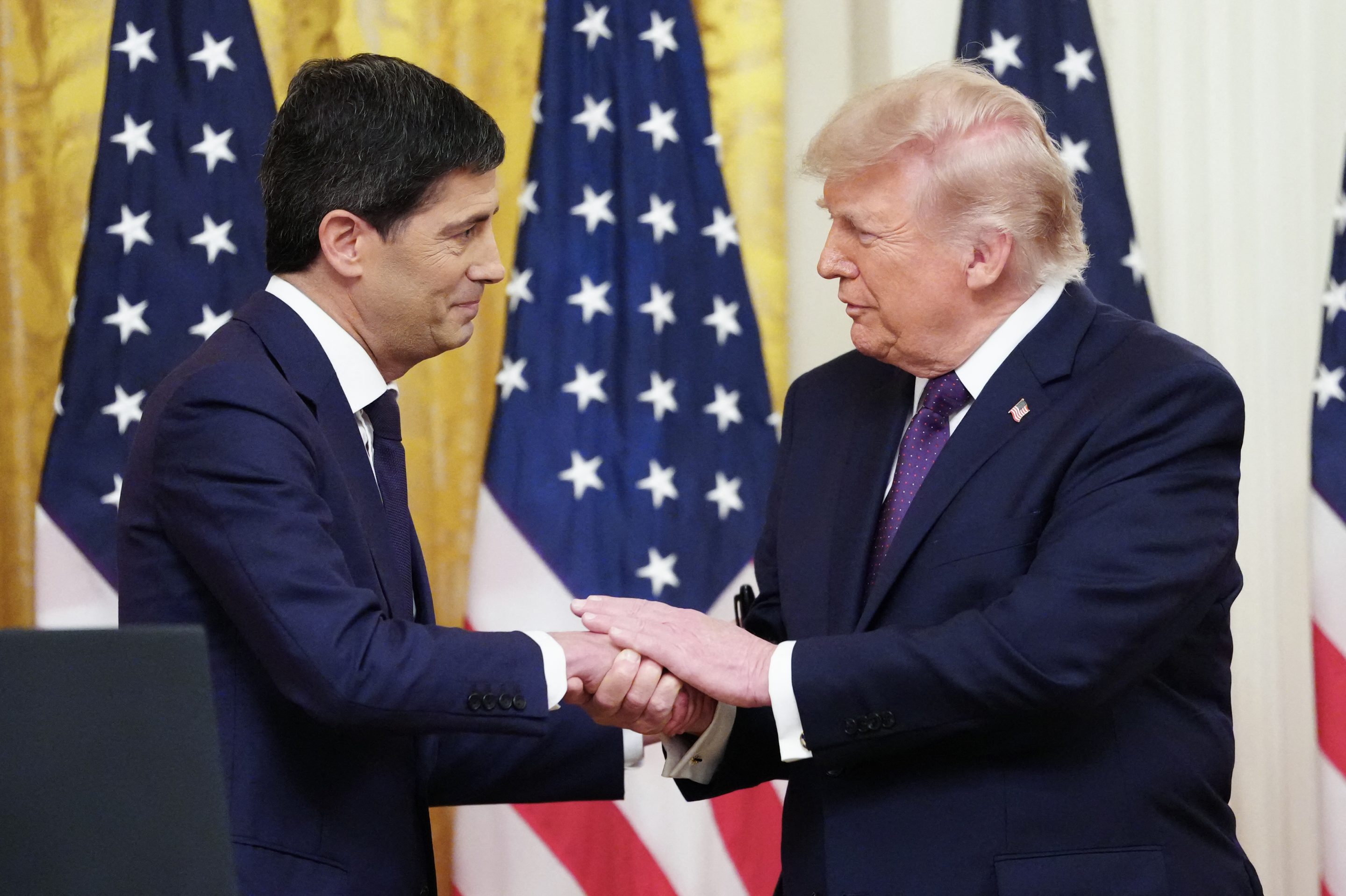
Lobbying intensifies: The Trump administration continues its push for a rate reduction, with President Donald Trump threatening trade sanctions if rates remain high. Trump wrote on Truth Social that the U.S. economy is stronger than ever and that high interest rates unfairly disadvantage American consumers. Vice President JD Vance echoed Trump’s sentiment, arguing that lower rates would help Americans afford homes.
The White House is escalating pressure on Fed Chair Kevin Warsh, whose tenure is under scrutiny amid expectations of a hike. The administration’s narrative aims to influence the Fed’s decision, but analysts suggest Warsh’s leadership may face challenges in balancing economic signals with political pressures.
Source: Fortune